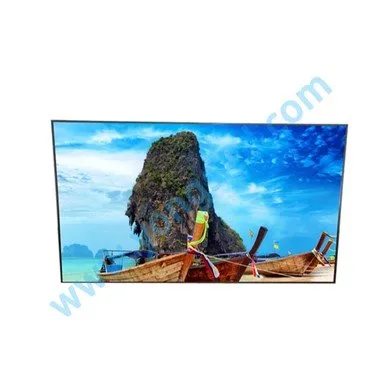
LCD, also known as liquid crystal display, is a type of display that adopts the technology of controlling the light transmittance of the display to complete the color tone. From the perspective of the structure of the liquid crystal display, the LCD is composed of two parallel glass plates with a thickness of about 1 mm. They are separated by a uniform spacing of 5 μm containing crystalline materials during the process. Because the crystalline material itself does not emit light, there are two parallel glass plates on both sides of the display. It is equipped with a lamp tube as a light source, and there is generally a backlight board on the back of the LCD screen, whose function is mainly to show a uniform background light source.
Since the LCD screen has the characteristic of specifying the direction when outputting the light source, if we stand at a very oblique angle and enjoy a completely white picture, it is very likely that black or color distortion will occur. And because everyone's vision range is different, if you don't stand within the best angle, the colors you see may be wrong.
Deși poate apărea distorsiunea tonală atunci când vizualizați afișaje LCD într-o anumită zonă, aceasta nu înseamnă că LCD nu are niciun avantaj. Existența este rezonabilă, iar LCD are încă multe avantaje. De exemplu, problema consumului de energie de care consumatorii sunt cel mai preocupați. Consumul de energie al LCD-ului este relativ mic, iar afișajul LCD general utilizează o interfață digitală, care este, de asemenea, foarte convenabilă de utilizat.